Inhalants are some of the most dangerous recreational drugs, with a safety index below 10, and their continued use may lead to permanent brain damage
Over time, these breaks can add up, potentially leading to a notable reduction in productive working hours
Here are a few: Nicotine is stimulating Nicotine is perceived as harmless Nicotine reduces your appetite Nicotine is a way to relax or take a break Nicotine is a way to talk to new people and connect with others Nicotine use has become connected to a routine (e.g., after eating breakfast, when leaving class, while studying, at parties when hanging out with friends) Nicotine is used to manage cravings and withdrawal symptoms Nicotine is perceived as a socially acceptable and/or as a condition to belong to ones peer group Nicotine use is influenced by many factors including: family history of use culture age of onset (i.e., starting in teenage years leads to higher rates of addiction later in life) social norms emotions / mood state social media targeted marketing strategies to vulnerable populations There are many health risks associated with the substance nicotine, as well as specific risks associated with the methods used to ingest it (see below)

Lori Trahan (D-MA): Under the same proposal, you require that researchers give TikTok quote, worldwide free, non-exclusive and perpetual rights to their papers







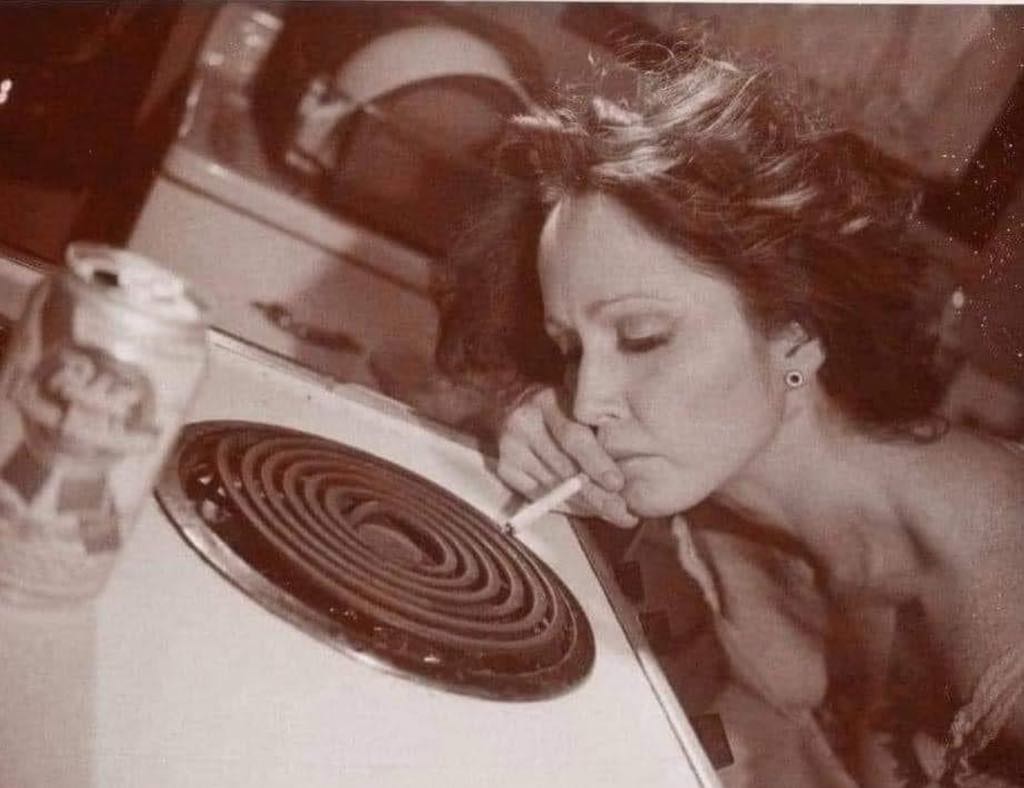
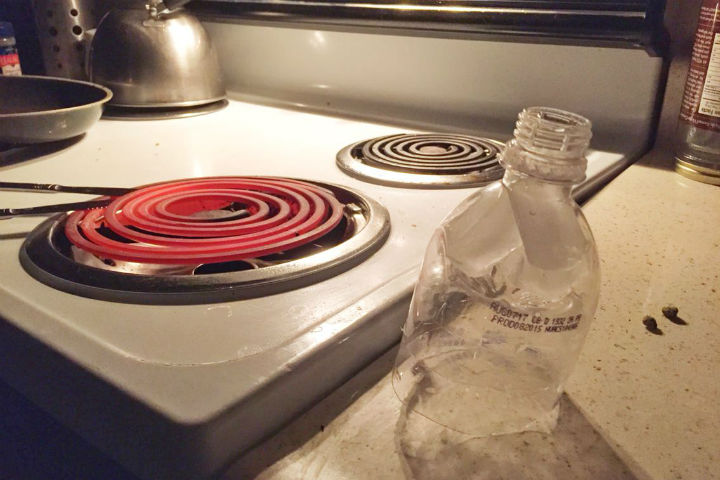


![4] Craziest/cleverest way you've lit a joint/bowl? : r/trees](https://preview.redd.it/4-craziest-cleverest-way-youve-lit-a-joint-bowl-v0-oejjzncdm95c1.jpg?width=640&crop=smart&auto=webp&s=b1cf02c179849f280b7f135c3a643e781f9652e2)